Don't Buy the Dt 900 Pro X Until You Read This Full Analysis
Introduction
The Beyerdynamic Dt 900 Pro X has attracted a lot of attention from hobbyists, streamers, and studio professionals since its release. Marketed as a modernized reference headphone that brings a detailed, open-back listening experience to a broader audience, it promises clarity, a roomy soundstage, and the build-quality Beyerdynamic is known for. But as with any popular model, the headline features and photos online don't tell the full story.
This article takes a critical look at the Dt 900 Pro X from the perspective of real-world use: how it sounds for mixing and casual listening, how comfortable and durable it is for long sessions, how it behaves with different sources, and which buyers will get the most value — and which should think twice. No hype, no marketing copy — just practical analysis grounded in how people actually use headphones.
Product Analysis
Design and Build Quality
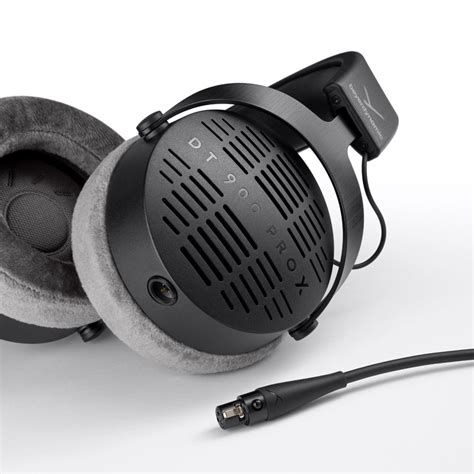
On first impressions, the Dt 900 Pro X follows Beyerdynamic's design language: utilitarian, functional, and built to last. The earcups are open-back, which is an intentional choice for better air flow and a wider soundstage. The headband and yokes feel solid; common materials include metal and reinforced plastics that balance durability with weight. Cushions use soft fabric (often velour-like), which most listeners find comfortable for extended sessions and less heat-trapping than leatherette.
Build-wise, the Dt 900 Pro X is repairable in the way many Beyerdynamic headphones are: pads and cables can be replaced without special tools, and the parts are generally modular. That matters for buyers who expect these headphones to be a long-term tool rather than a disposable consumer item.
Comfort and Ergonomics
Comfort is a priority for anyone who spends hours mixing, gaming, or learning music. The Dt 900 Pro X tends to score well in this area. The clamping force is moderate rather than crushing, and the broad headband distributes weight evenly. The earcups are roomy enough for most ear shapes, reducing pressure points.
However, comfort is subjective: those with very small heads may find the fit slightly loose, and people who prefer the sealed feeling of closed-back headphones will miss the snugness. Ventilation is an advantage for long sessions — open-back designs typically run cooler and feel less fatiguing physically.
Connectivity and Accessories
The Dt 900 Pro X ships with a detachable cable arrangement, which simplifies replacement and upgrading. Detachable cables are useful for studio workflows where cable length and connector type matter. The headphone uses commonly accessible connectors and generally includes an adapter for larger jacks in the box.
It is worth noting that the open-back design makes these headphones inappropriate for noisy environments or for recording with a microphone in the same room; sound leaks both in and out. That limits practical portability and makes them a studio/desktop/home-listening choice rather than a commuter option.
Sound Signature: What to Expect
Sound is the heart of any headphone review. The Dt 900 Pro X aims for a detailed, analytical presentation, and that shows in several ways:
- Bass: The low end is typically tight and controlled rather than exaggerated. Sub-bass quantity leans toward accuracy, making the headphones useful for monitoring bass content without masking mids.
- Mids: Mids are forward enough to reveal vocal detail and instrument texture. This helps when judging timbre and vocal placement in mixes.
- Treble: The Dt 900 Pro X emphasizes clarity and air. High frequencies are articulate and present; this improves perceived detail but can be fatiguing to listeners sensitive to treble peakiness.
- Soundstage and Imaging: Open-back construction yields a wide, layered soundstage. Imaging is precise, which benefits mixing decisions that depend on left-right placement and depth.
In practice, this translates to headphones that reward careful listening. They reveal problems in mixes (ringing, sibilance, harshness) and help evaluate spatial cues. For consumers who prefer a warm, colored sound for casual listening, the Dt 900 Pro X may feel too neutral or clinical.
Looking for the best Audio & Headphones deals on Amazon?
Shop Amazon →Performance Across Real-World Use Cases
Different buyers use headphones for different purposes. Here is how the Dt 900 Pro X performs across common scenarios:
Mixing and Mastering
These are the headphones' natural habitat. The neutral, detailed presentation and broad soundstage help identify frequency clashes, stereo placement, and reverb tails. The Dt 900 Pro X is especially helpful during critical listening passes rather than as the final arbiter — always cross-reference with monitors and other headphones. Because they show detail, they can expose flaws that need correction.
Streaming and Content Creation
Streamers benefit from the soundstage and clarity when monitoring content, but open-back leakage can be a problem if the broadcaster is using the same room microphone. For creators who monitor offline or in a treated room, the headphones are a fine choice. They help spot sibilance and tonal imbalance before content goes live.
Casual Listening
Listeners who prefer immersive, fun, bass-forward sound signatures may find the Dt 900 Pro X too analytical. However, audiophiles who …Gaming
For gamers, the wide soundstage and imaging can enhance spatial awareness. Positional cues are clearer than in many closed-back headphones, which matters in competitive gaming. The lack of isolation means others in the room will hear audio, and the headphones are not ideal if background noise is an issue.
Source Sensitivity and Amplification
While modern design targets a balance between studio fidelity and usability with consumer sources, the Dt 900 Pro X still benefits from a clean source. A decent audio interface, DAC, or headphone amp will unlock better dynamics and control, especially at higher listening levels. For casual desktop use, a high-quality smartphone or laptop can drive them to reasonable volumes, but the best results come from dedicated audio gear.
Durability and Serviceability
Long-term ownership considerations include replaceable parts and warranty. The Dt 900 Pro X follows a repair-friendly approach: pads, cables, and even some internal parts are serviceable. That reduces long-term cost and supports sustainability — an important consideration for professionals who rely on consistent performance over years.
Pros & Cons
- Pros:
- Detailed, transparent sound that reveals mix issues and subtleties
- Wide soundstage and accurate imaging for spatial tasks
- Comfortable for long sessions with breathable ear pads
- Solid build quality and replaceable parts
- Detachable cable simplifies replacement and routing
- Cons:
- Open-back design leaks sound and provides no isolation
- Treble emphasis may be fatiguing to some listeners
- Not the most “fun” or colored headphone for casual, bass-heavy listening
- Best performance requires a clean source (DAC/amp) for critical listening
Comparison
A comparison can help prospective buyers decide whether the Dt 900 Pro X fits their needs versus other well-known models. The table below highlights qualitative distinctions rather than strict spec numbers, focusing on use-case fit.
| Model | Type | Best For | Signature | Isolation / Leakage | Notes |
|---|---|---|---|---|---|
| Dt 900 Pro X | Open-back | Studio mixing, critical listening, home audio | Neutral-detailed, airy treble | Low isolation; significant leakage | Great for clarity and soundstage; not for portable/noisy environments |
| Classic Closed-Back Studio Model | Closed-back | Tracking, live-streaming in untreated rooms | Often punchier bass, subdued soundstage | High isolation; minimal leakage | Better for recording; less spacious for mixing |
| Consumer Hi-Fi Headphones | Open/Closed (varies) | Casual listening, bass-heavy genres | Usually colored: boosted bass or warmth | Varies | More “fun” tuning, less ideal for neutral monitoring |
Buying Guide: Is the Dt 900 Pro X Right for the Buyer?
Identify the Primary Use
First, define how the headphones will be used. If the primary use is mixing or critical listening in a quiet, controlled environment, the Dt 900 Pro X is well suited. For tracking (recording vocals or acoustic instruments with the microphone in the same room) or commuting, a closed-back model is a better choice.
Looking for the best Audio & Headphones deals on Amazon?
View Offers →Consider the Listening Environment
Open-back headphones depend on a quiet, reasonably treated room to shine. Buyers who need portability or who will use headphones in shared or noisy spaces should avoid open-back designs like the Dt 900 Pro X.
Assess the Source and Amplification
While these headphones are more user-friendly than some high-impedance vintage studio models, they still show differences with source quality. Users who only plug into a phone can expect decent results, but anyone aiming for precise tonal balance and dynamic control should plan to use a dedicated DAC or headphone amplifier when possible.
Comfort and Fit Considerations
Long-session comfort matters. The Dt 900 Pro X uses comfortable, breathable pads and a balanced headband. Buyers who wear headphones for many hours should prioritize comfort, and might want to try the fit in-person if possible. Those with specific head shapes or ear positions should check return policies in case the fit is not ideal.
Durability and Replacement Parts
Look at how replaceable parts are and whether pads and cables are available. The Dt 900 Pro X is designed with modular parts, which is a plus for longevity. Confirm warranty terms and local service options for peace of mind.
Budget and Alternatives
Consider whether the Dt 900 Pro X sits at the right price-performance point for the user. Alternatives include other open-back reference headphones for home studio use or closed-back variants for tracking and portable use. The trade-offs generally come down to isolation, sound signature (neutral vs. colored), and whether the headphone should prioritize comfort, portability, or ultimate accuracy.
What to Test if Trying In Person
- Listen to a mix or track you know well; check for detail and balance across frequencies.
- Try spoken-word content to judge midrange clarity and sibilance.
- Wear the headphones for 20–30 minutes to assess clamp and pad comfort.
- Test with the devices you will use most (phone, audio interface, DAC) if possible.
Practical Tips for Getting the Best from the Dt 900 Pro X
- Use a quality source: an external DAC or audio interface will maximize clarity and control.
- Mind the room: a quiet, treated room will let the headphones’ soundstage and imaging be fully appreciated.
- Rotate reference systems: always check mixes on multiple headphone models and monitors to avoid overfitting to a single sound signature.
- Replace pads periodically: breathable pads stay comfortable and preserve the intended sound.
Conclusion
The Dt 900 Pro X is a compelling option for anyone seeking a neutral, revealing open-back headphone that excels at critical listening and studio tasks. Its strengths are a spacious soundstage, clear mids, and treble detail that help identify mix problems and enjoy high-resolution recordings. Practical downsides are inherent to its open-back nature: sound leakage, lack of isolation, and the potential for treble fatigue in certain listeners.
For the right user — a home studio engineer, diligent streamer working in a quiet space, or an audiophile who values accuracy — the Dt 900 Pro X can be a long-serving tool. For commuters, recording engineers who need closed monitoring during tracking, or listeners who crave heavy bass and a colored sound, it is likely not the ideal match. The best approach is to evaluate one’s use case, test a pair with familiar material if possible, and consider pairing the headphones with a good source to discover their full potential.